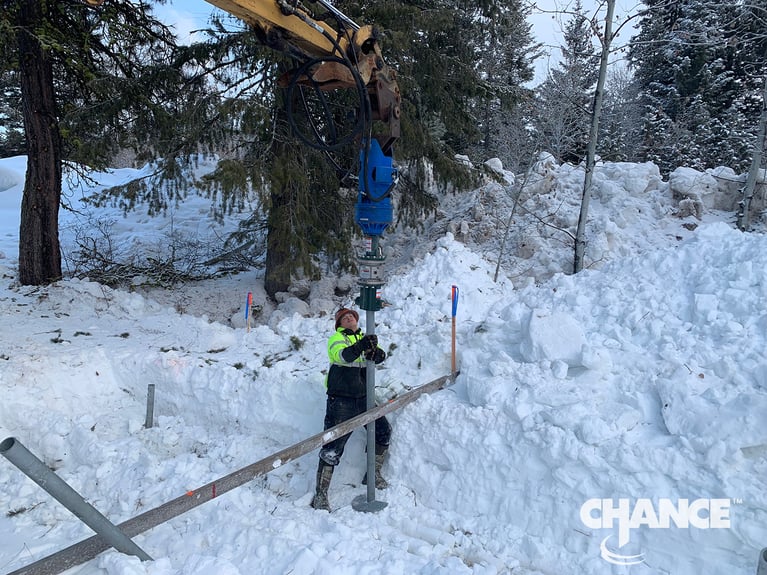
A Legacy of Leadership, Mentorship & Service: Gary L. Seider P.E.
Recognizing Gary L. Seider, P.E., whose career shaped the helical piling industry through innovation, leadership, and decades of engineering excellence.
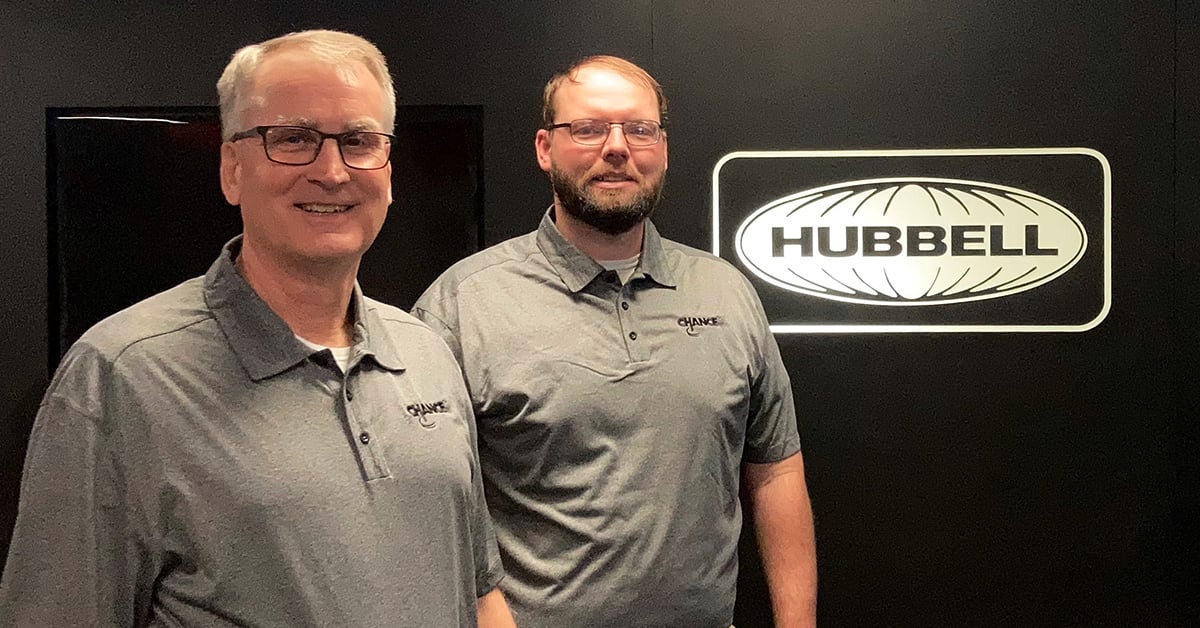
After nearly four decades of service to A.B. Chance (purchased by Hubbell in 1994), Gary L. Seider, P.E., is retiring from a career that helped shape not only a product line, but a lasting foundation for the helical piling industry as a whole.
Gary joined A.B. Chance in 1987 and spent his entire professional career advancing the engineering, application, and acceptance of helical piles and resistance piers. Over the years, he became a steady technical presence within Hubbell and a widely respected subject matter expert in the helical piling industry, recognized across the geotechnical and foundation engineering communities.
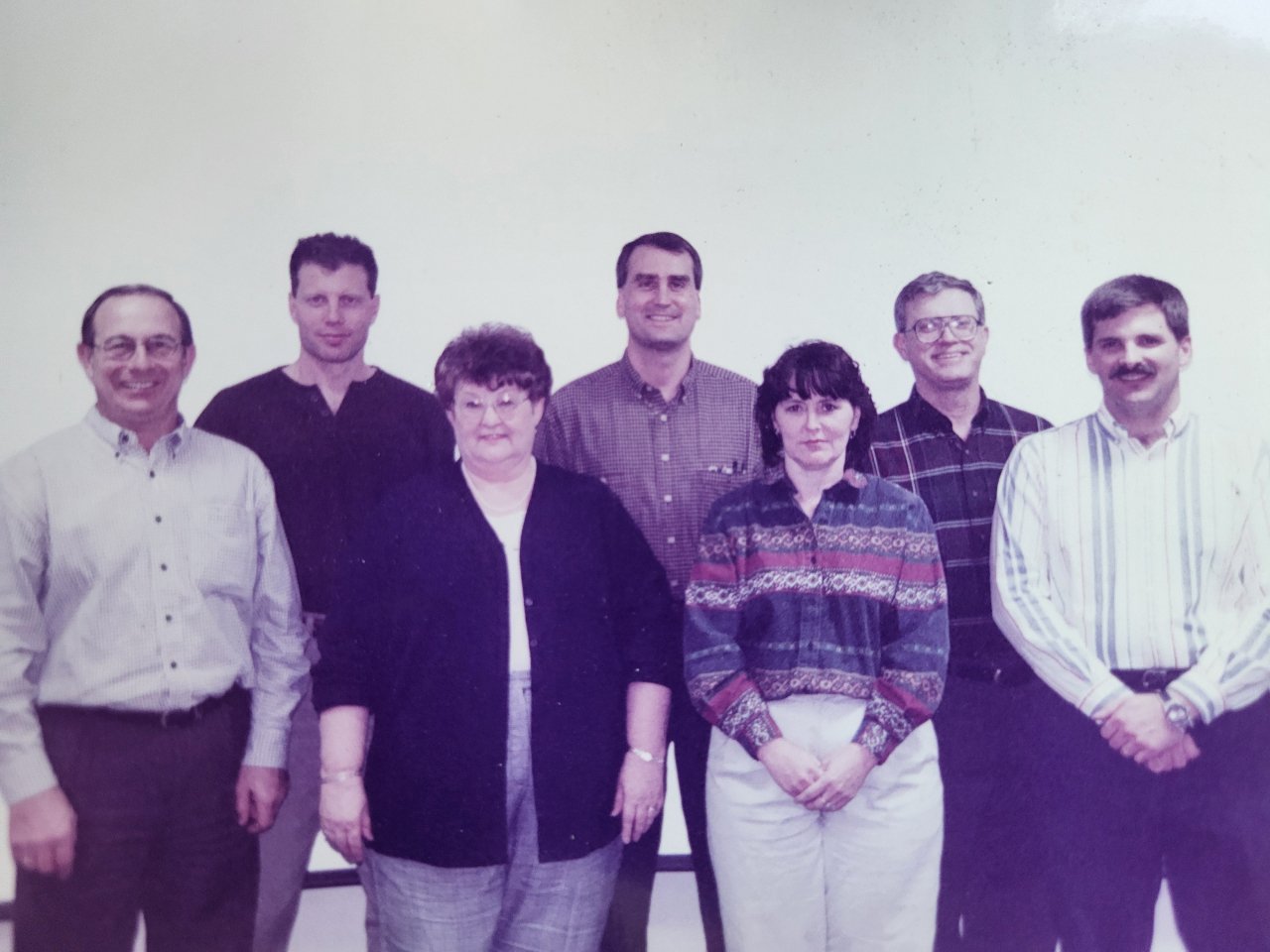
Throughout his career, Gary served in a variety of engineering and leadership roles, ultimately as Engineering Manager for Civil and Construction Products business units. In that role, he:
-
Guided application engineering efforts,
-
Supported complex field challenges,
-
Led the sustainment of existing product lines, and
-
Helped drive the development of new foundation solutions.
His approach consistently balanced sound engineering theory with practical constructability, ensuring that products and recommendations worked not only on paper, but in the field. This combination of technical rigor and real-world practicality earned the trust of engineers, contractors, and owners across a wide range of applications.
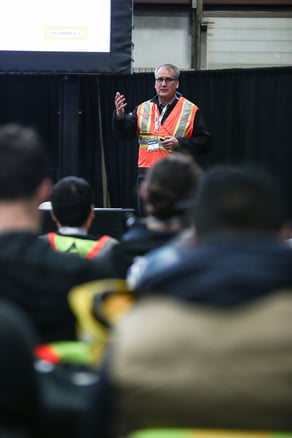 Gary’s influence extended well beyond Hubbell. He was an active member of the Deep Foundations Institute for many years and served as Chairman of the Helical Piles and Tiebacks Committee. Through this work, he helped advance research initiatives, promote technical rigor, and support the development of industry guidance that improved confidence in helical foundation systems worldwide. His leadership contributed meaningfully to the broader acceptance of helical piles as a reliable, research-supported, and code-recognized foundation solution.
In addition to his engineering and leadership roles, Gary played an important part in educating the broader industry. Through technical papers, presentations, committee work, and direct engagement with engineers and contractors, he helped translate complex engineering concepts into practical guidance that could be applied in the field. His ability to clearly communicate the fundamentals of helical foundation behavior contributed to greater consistency, confidence, and professionalism across the industry.
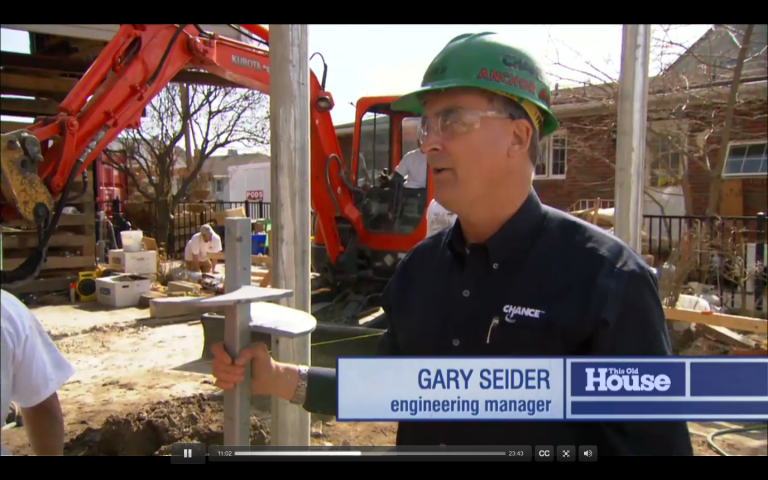
And his reach wasn’t limited to conference rooms and job sites—he occasionally brought that same clarity to a much broader audience. That same ability to teach showed up in unexpected places: in 2013, Gary was on the set of PBS’s This Old House during the “Jersey Shore Rebuilds” series in Point Pleasant, New Jersey, explaining to host Kevin O’Connor how helical piles work and why they were a smart solution for rebuilding and elevating coastal homes after Hurricane Sandy. Standing beside a home that had been lifted roughly 11 feet, he did what he always did—turning a complex foundation discussion into clear, practical guidance that others could immediately apply.
While Gary’s technical contributions are significant, those who worked most closely with him know that his greatest impact may have been as a mentor and leader. Inside Hubbell, he was deeply committed to the success of his engineering teams.
He invested time in developing people, encouraging thoughtful analysis, professional accountability, and confidence in engineering judgment. He was known for taking the time to explain the reasoning behind decisions, helping engineers understand not only what needed to be done, but why it mattered.
Just as importantly, Gary was a strong and consistent advocate for his team. He always had his engineers’ backs, standing up for them when challenges arose and ensuring they were supported during difficult technical or professional situations. He was willing to fight for his team when it mattered, providing guidance, protection, and perspective in high-pressure moments. That advocacy built trust and loyalty, and it created an environment where engineers could grow, take ownership of their work, and develop into confident professionals.
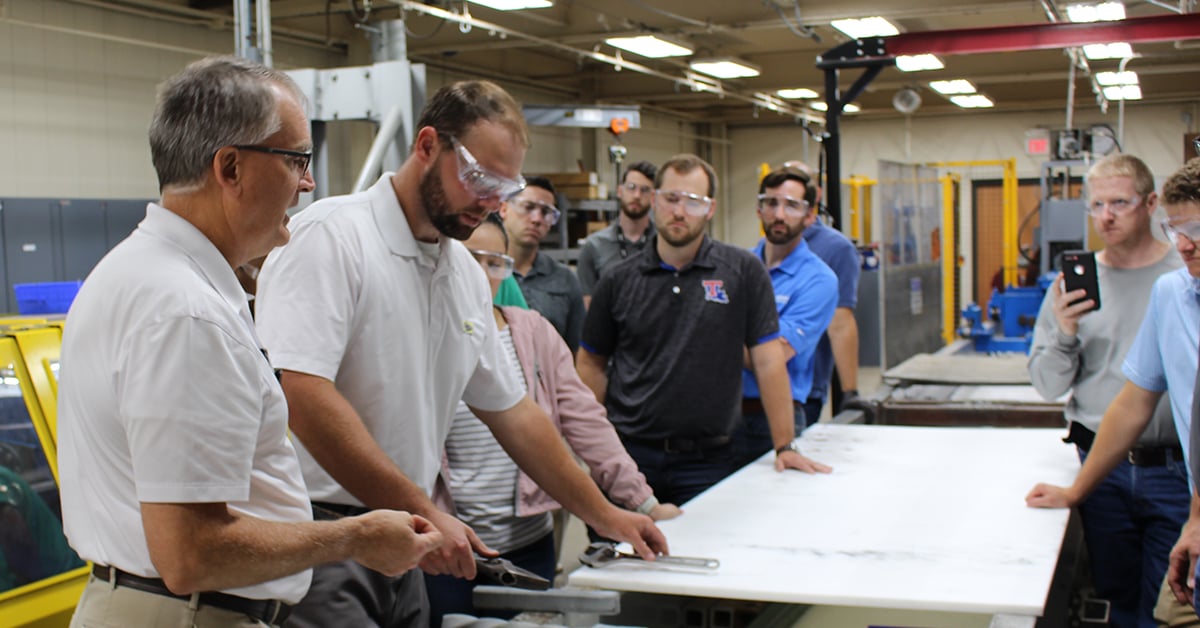
Across the industry, Gary earned a reputation for sound judgment, technical integrity, and professionalism. Engineers, distributors, contractors, and colleagues knew they could rely on his assessments and recommendations, even in complex or high-risk situations. That trust was built over decades of consistent, principled decision making and remains one of the most enduring aspects of his legacy.
As Gary steps into retirement, his legacy is evident across the industry. It can be seen in the products used worldwide, the engineers and contractors who apply them with confidence, and the standards of practice that are stronger because of his involvement. It can also be seen in the many professionals whose careers were shaped by his mentorship, leadership, and advocacy.
Hubbell, CHANCE, and the helical pile industry are better for Gary’s dedication, leadership, and service. On behalf of colleagues, partners, and friends across the industry, we thank him for a remarkable career and a lasting legacy. His contributions will continue to influence the helical piling industry for years to come, and he will always remain an important part of the Hubbell and CHANCE story.
Jason Herron has been working for Gary on the Chance engineering team since 2010. For the past 6 years, Gary has been mentoring Jason to be his successor in the role of Engineering Manager for Civil and Construction Products business units. You can contact Gary at civilconstruction@hubbell.com and we will pass your message along. Mailing address is Hubbell, ATT: Gary Seider, 210 N. Allen St., Centralia, MO 65240.
Recommended Posts
Seven Frequently Asked Questions about Helical Piles
How to prevent copper wire theft from light poles