Copper wire theft from light poles is a growing problem for municipalities, utilities, and contractors, resulting in millions of dollars in repair costs and serious public safety risks. Thieves target streetlights and roadway lighting because exposed copper conductors can be quickly removed and resold . Preventing copper wire theft requires physical deterrents, secure foundation design, and theft‑resistant lighting infrastructure.
From New York to Los Angeles, Edmonton to Denver, copper wire theft is an all-too-common problem costing municipalities millions of dollars each year. TELUS, an internet, phone, and television company in Alberta, Canada said that in 2024, there was a 58% increase of copper wire theft over the previous year, and the problem is worse elsewhere.1
The Cost and Safety Risks of Copper Wire Theft
Stolen wire can be sold to scrap metal dealers for historically as much as $4 per pound (As of April 2026, copper wire is worth over $5.50 a pound!). However, the money received for the stolen commodity fails to compare with the labor and material cost of replacement. Each of us, as taxpayers, bears the financial burden.
The real cost of wire theft comes at the expense of public safety due to dysfunctional roadway and public lighting. For example, in December 2023 a St. Paul man was struck by a car while walking his dog near his home. Stolen wire meant that the streetlights were not functioning. St. Paul Mayor Melvin Carter said, “This tragedy is a stark reminder that copper theft dangerously darkens streets and puts us all at risk.”2
How to Prevent Copper Wire Theft from Light Poles
Municipalities, utilities, and lighting contractors have tried a variety of methods to deter copper wire theft from light poles and streetlights. While many of these approaches can slow down or discourage opportunistic theft, most provide only partial protection or require ongoing maintenance.
- Locking hand hole covers
- Security cameras
- Conduit hardening
- Alternative wiring materials
- Legislative and regulatory measures
Locking hand hole covers and hardware are one of the most common deterrents. These covers replace standard access plates with tamper‑resistant fasteners or locking mechanisms, making it more difficult to access wiring inside the pole. While relatively inexpensive, determined thieves can often defeat locks with basic tools, and damaged covers frequently need replacement.
Security cameras and surveillance are also used in high‑theft areas. Cameras can help identify repeat offenders and provide evidence after a theft occurs. However, wire theft often happens late at night or in remote locations, limiting the effectiveness of surveillance as a preventative measure rather than a reactive one.
Hardened conduit and internal barriers attempt to physically protect wiring by reinforcing the pathway where conductors exit the pole. These measures can increase the time and effort required to remove wire, but they do not always prevent theft once the hand hole is breached and often add installation complexity.
Alternative wiring materials, such as copper‑clad aluminum or copper‑clad steel, reduce scrap value and may make theft less attractive. While effective in certain applications, switching materials can be costly for retrofits and is not always feasible for existing infrastructure or code‑specified installations.
Legislative and regulatory measures, including tighter restrictions on scrap metal sales and increased penalties for theft, aim to reduce the incentive for copper wire theft. While these efforts support long‑term reduction, they do not physically stop theft at the pole and rely on enforcement after the fact.
For many municipalities, these methods can help reduce incidents but often fall short of providing permanent protection. This is why integrated, foundation‑level solutions—designed to physically prevent wire removal at the ground interface—are increasingly being specified as part of new installations or infrastructure upgrades.
How to Prevent Copper Wire Theft from Light Poles
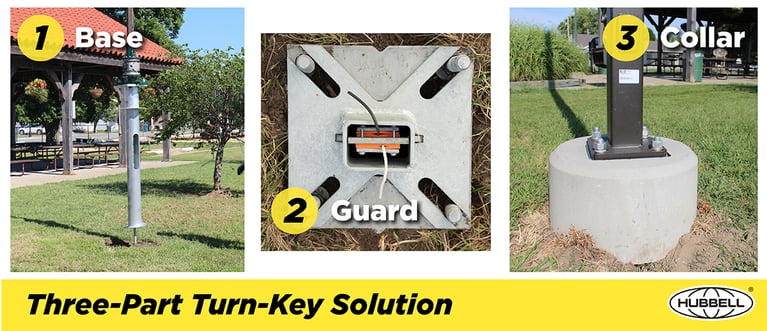
For a more permanent deterrent, electrical contractors should consider the Chance® Anti-Theft Lighting Foundation. Developed by Chance engineers after an urgent need was expressed by Kansas City DOT employees, this solution has been used and proven by DOTs and municipalities to prevent copper wire theft.
This device, which can be installed as part of the original foundation or retrofitted for existing concrete or steel lighting foundations, is designed to stop the theft of copper wire, protecting both the public and private sectors from the high cost and intrinsic dangers of wire theft.
The CHANCE® Anti‑Theft Lighting Foundation addresses copper wire theft at its most vulnerable point: the interface between the light pole and the ground. Unlike surface‑level deterrents that attempt to restrict access after a hand hole is opened, this solution is designed to physically prevent conductors from being pulled out of the foundation, even if the pole is breached.
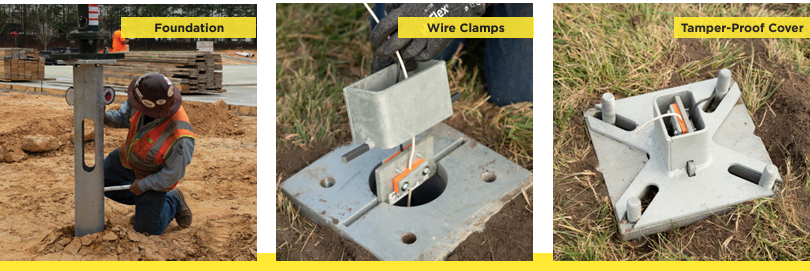
The system uses an integrated clamping mechanism that securely grips the electrical conductors as they pass through the foundation. If a thief attempts to remove the wire from the pole base, the clamp allows the wire to move only a limited distance before it shears at the clamp location, preventing the conductors from being extracted from underground conduit. This protects both the wiring infrastructure and the conduit system below grade, where repairs are most costly and disruptive.
Watch the video to see how it works!
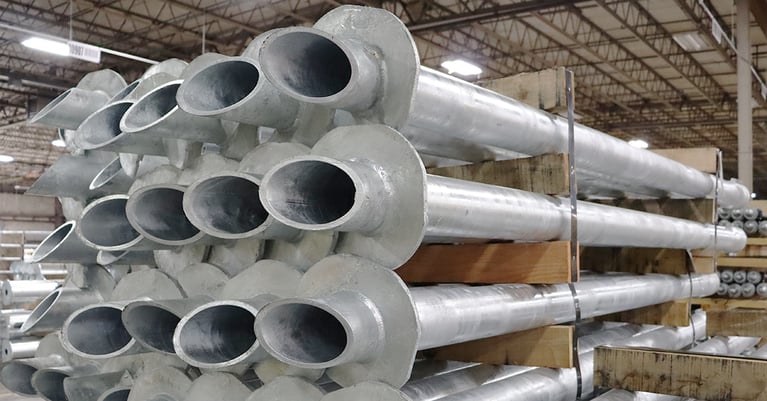
A major advantage of the device for lighting contractors, is that, when installing it as part of a new foundation, there's one less piece of hardware to order and one less piece to deal with logistically - the device is built right into the steel foundation. There are no separate parts to align when setting the pole and aligning the anchor bolts.
If a thief breaks into a hand hole cover and attempts to pull the wire, the clamp will allow the wire to be pulled from the pole itself, but abruptly snap off at the foundation clamp, protecting the conduit that is running through the ground. This allows a municipality to make repairs much more efficiently and economically than a theft not protected by the clamp.
Additionally, thieves are deterred by the paltry amount of wire that can be stolen from a protected pole, thereby protecting nearby infrastructure from even an attempted theft.
Because the protection is integrated at the foundation level, the solution provides passive, permanent security. It does not rely on electronics, power, cameras, or ongoing monitoring, and it cannot be defeated by cutting locks or removing covers. Once installed, the system continues to protect the wiring for the life of the foundation, reducing repeat theft incidents, emergency repair costs, and long‑term maintenance burdens.
For municipalities, utilities, and DOTs facing recurring copper wire theft, the CHANCE® Anti‑Theft Lighting Foundation offers a proactive approach—protecting public safety by keeping streetlights operational, while delivering a durable, infrastructure‑level solution that goes beyond temporary deterrents.
Key Takeaways
- Copper wire theft from light poles is increasing nationwide
- Repair costs far exceed the scrap value of stolen copper
- Disabled lighting creates serious public safety risks
- Built‑in anti‑theft lighting foundations provide permanent protection
Catalog numbers and sizes:
|
Catalog No.
|
Bolt Pattern
|
Assembly Type
|
|
C1122956
|
9” - 14”
|
Retrofit - One-Piece with tamper-proof cover
|
|
C1121646
|
11” - 17”
|
Retrofit - One-piece with tamper-proof cover
|
|
C1121303
|
8" - 14"
|
Retrofit - Two-Piece
|
|
C11232JG4VLATKC
|
9” - 14”
|
Full foundation with tamper-proof cover
|
|
C11242NG4VPATKC
|
11” - 17”
|
Full foundation with tamper-proof cover
|
Get the flyer for catalog numbers and dimensions.
Email our sales team at civilconstruction@hubbell.com for availability and pricing.